
What Is Astigmatism?
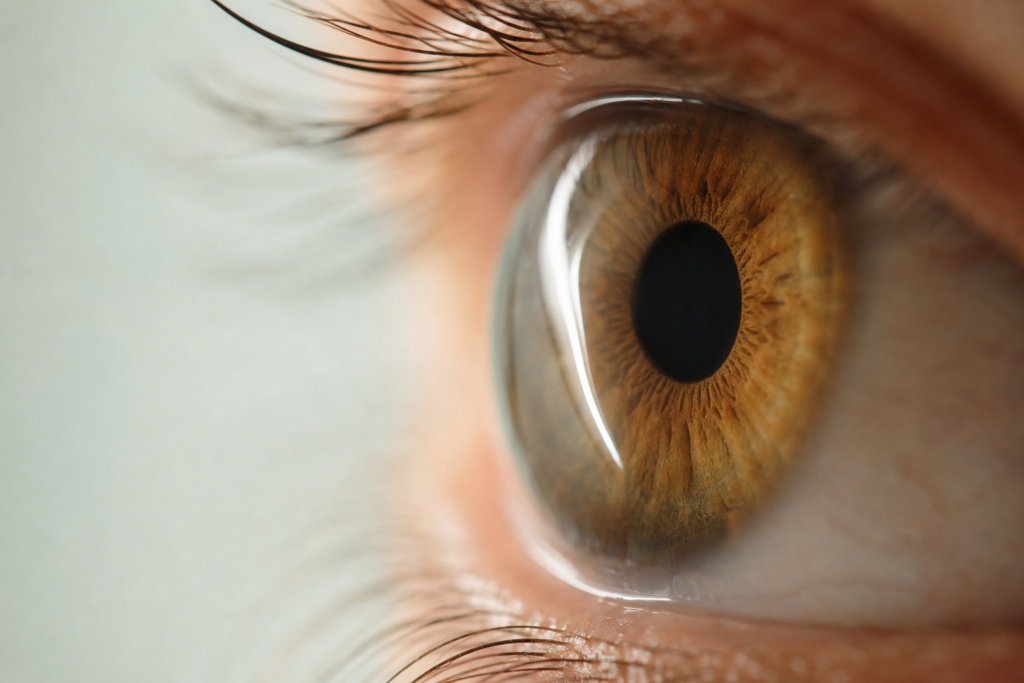
Astigmatism occurs when the cornea, or occasionally the eye’s natural lens, is shaped more like a rugby ball than a football, with an irregular curve rather than a perfectly round one. This causes light to focus at more than one point on the retina, resulting in blurred or distorted vision at all distances. Astigmatism is extremely common and often occurs alongside short- or long-sightedness, and is precisely measured using corneal topography and keratometry.
Types of Astigmatism Correction
Glasses & Contact Lenses
A cylindrical correction effectively corrects most astigmatism non-surgically.
Toric Intraocular Lenses
For patients also undergoing cataract surgery, toric lenses correct astigmatism at the same time as removing the cataract, reducing reliance on glasses afterwards.
Why Choose Mr Miles Parnell
Mr Parnell has extensive experience with premium lens implantation, including toric lenses for astigmatism correction, combined with precise pre-operative measurement and surgical planning to achieve the sharpest possible outcome.
FAQs
Can astigmatism be corrected during cataract surgery?
Yes. Toric intraocular lenses are specifically designed to correct astigmatism at the same time as cataract removal.
Is astigmatism the same as a cataract?
No. Astigmatism relates to the shape of the cornea or lens, while a cataract is clouding of the eye’s natural lens; the two are unrelated but can occur together.
Does astigmatism get worse over time?
Astigmatism can change gradually over time, which is why regular eye assessments are recommended, particularly before any lens-based surgery.
Can glasses fully correct astigmatism?
In most cases, yes, glasses or contact lenses with a cylindrical correction can effectively correct astigmatism, though surgical options exist for those wanting a more permanent solution.